
Quick Answers




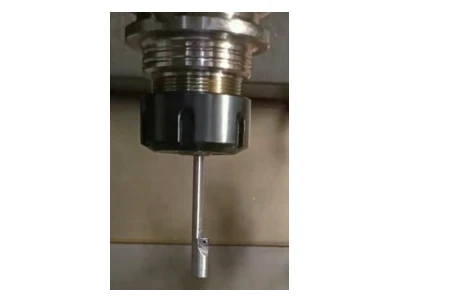

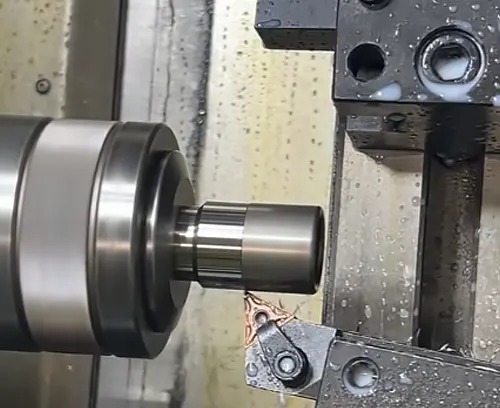

How do you machine a square hole in steel or aluminum?
In manufacturing, precision is key. Engineers often face the challenge of machining square holes in steel or aluminum to meet specific design requirements.
While it may seem daunting, with the right tools and techniques, machining a square hole can be done efficiently and accurately.
Understanding the Process
Before diving into the details of machining a square hole, it is essential to understand the basic principles behind the process.
Traditional drilling methods are not suitable for creating square holes, as they only produce round holes. Therefore, specialized techniques such as milling or broaching are required to achieve the desired shape.
One common method for machining square holes is to use a broach. A broach is a cutting tool with multiple teeth that gradually increase in size, enabling it to remove material with precision.
By carefully guiding the broach through the workpiece, engineers can create a square hole with sharp corners and straight edges.
Choosing the Right Tools
When machining square holes in steel or aluminum, selecting the right tools is crucial to success.
High-quality broach tools made from durable materials such as carbide or high-speed steel are recommended for achieving precise results.
Additionally, using cutting fluids during machining can help reduce friction and heat, prolong tool life, and improve cut quality.
For milling operations, carbide end mills with square or rectangular profiles are often used to create square holes. These cutting tools are designed to remove material efficiently while maintaining accuracy and precision.
It is essential to choose the appropriate tool size and cutting parameters based on the material being machined and the desired hole dimensions.
Setting Up the Machining Process
Before machining a square hole, proper setup is essential to ensure optimal results.
The workpiece should be securely fastened to the machine table using clamps or vises to minimize vibration and movement during cutting.
Additionally, accurate measurements and alignment are critical for positioning the cutting tools correctly and achieving the desired hole dimensions.
When using a broach tool, it is important to lubricate the cutting edges with cutting fluid to reduce friction and heat.
This not only improves tool life but also helps maintain the integrity of the workpiece surface. Proper coolant systems should be in place to ensure efficient chip evacuation and prevent overheating of the cutting tools.
Machining Techniques
There are several techniques that engineers can use to machine square holes in steel or aluminum effectively.
One common method is broaching, in which a broach tool is guided through the workpiece in linear motion to remove material and create the desired hole shape.
The teeth of the broach progressively increase in size, allowing for a precise cut with sharp corners.
Another technique for machining square holes is milling, where a rotating cutting tool removes material from the workpiece in a series of passes.
By carefully controlling the cutting parameters such as speed, feed rate, and depth of cut, engineers can create square holes with high accuracy and surface finish.
Wire EDM (Electrical Discharge Machining) is also a viable option for machining square holes in steel or aluminum.
This non-contact machining process uses electrical discharge to erode material, enabling the creation of complex shapes with high precision.
While it may be slower than traditional machining methods, wire EDM is ideal for producing intricate square holes with tight tolerances.
Quality Control and Inspection
After machining a square hole in steel or aluminum, it is essential to perform quality control and inspection to ensure that the finished product meets the required specifications.
Engineers can use measuring tools such as calipers, micrometers, or CMM (Coordinate Measuring Machines) to verify the dimensions, geometry, and surface finish of the hole.
Visual inspection is also critical for detecting any defects or irregularities in the machined hole, such as burrs, chips, or surface imperfections.
By conducting thorough quality control checks, engineers can identify any issues early on and make necessary adjustments to improve the overall quality of the machined square hole.
Conclusion
In conclusion, machining square holes in steel or aluminum requires careful planning, precision tools, and proper techniques.
By understanding the process, selecting the right tools, correctly setting up the machining process, and employing effective techniques, engineers can achieve accurate, high-quality square holes that meet specific design requirements.
Quality control and inspection are crucial to ensuring the integrity of the machined hole and the overall success of the manufacturing process.
With the right knowledge and expertise, engineers can overcome the challenges of machining square holes and achieve superior results in their manufacturing operations.